Cartier at NGV | Opening Night
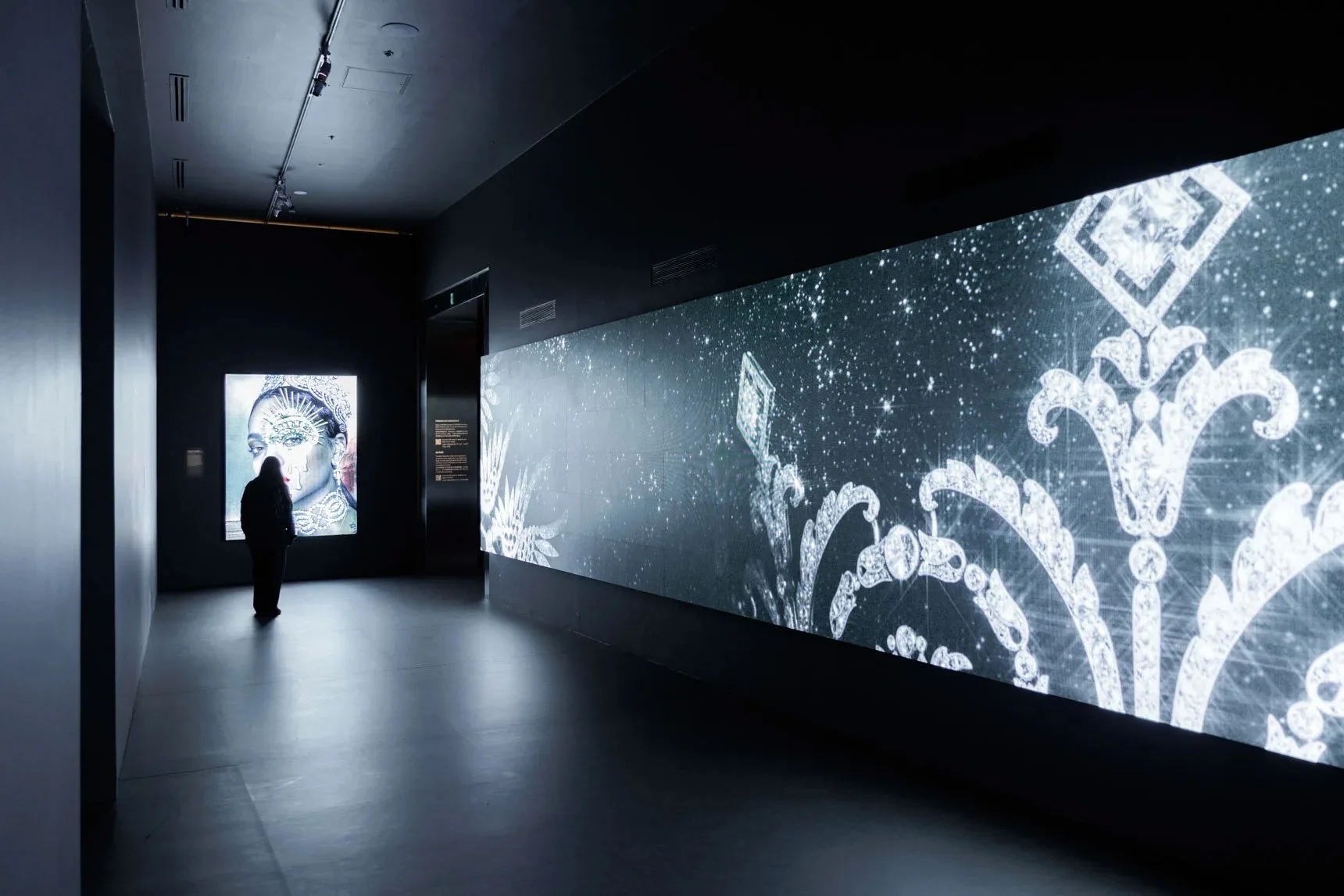
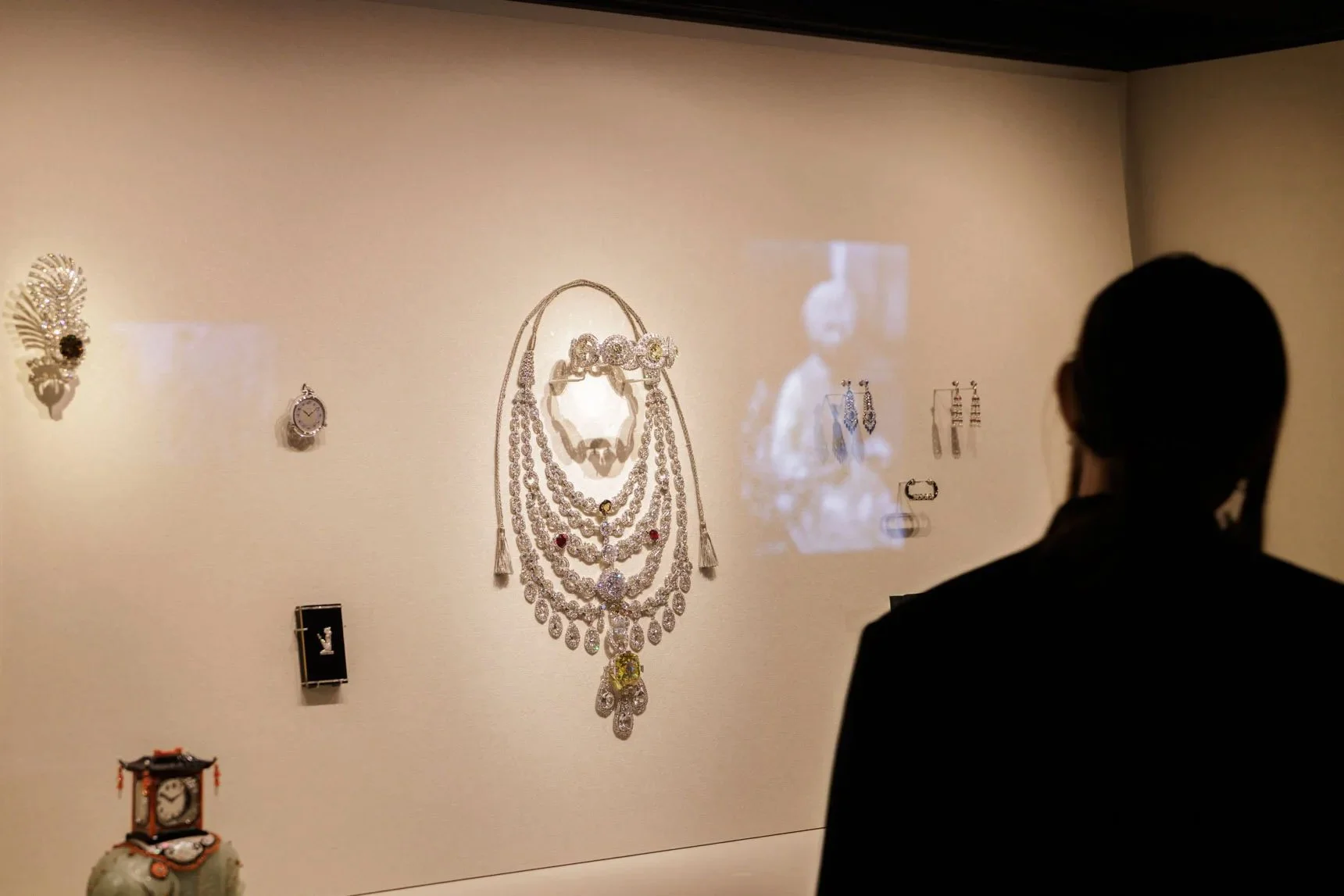
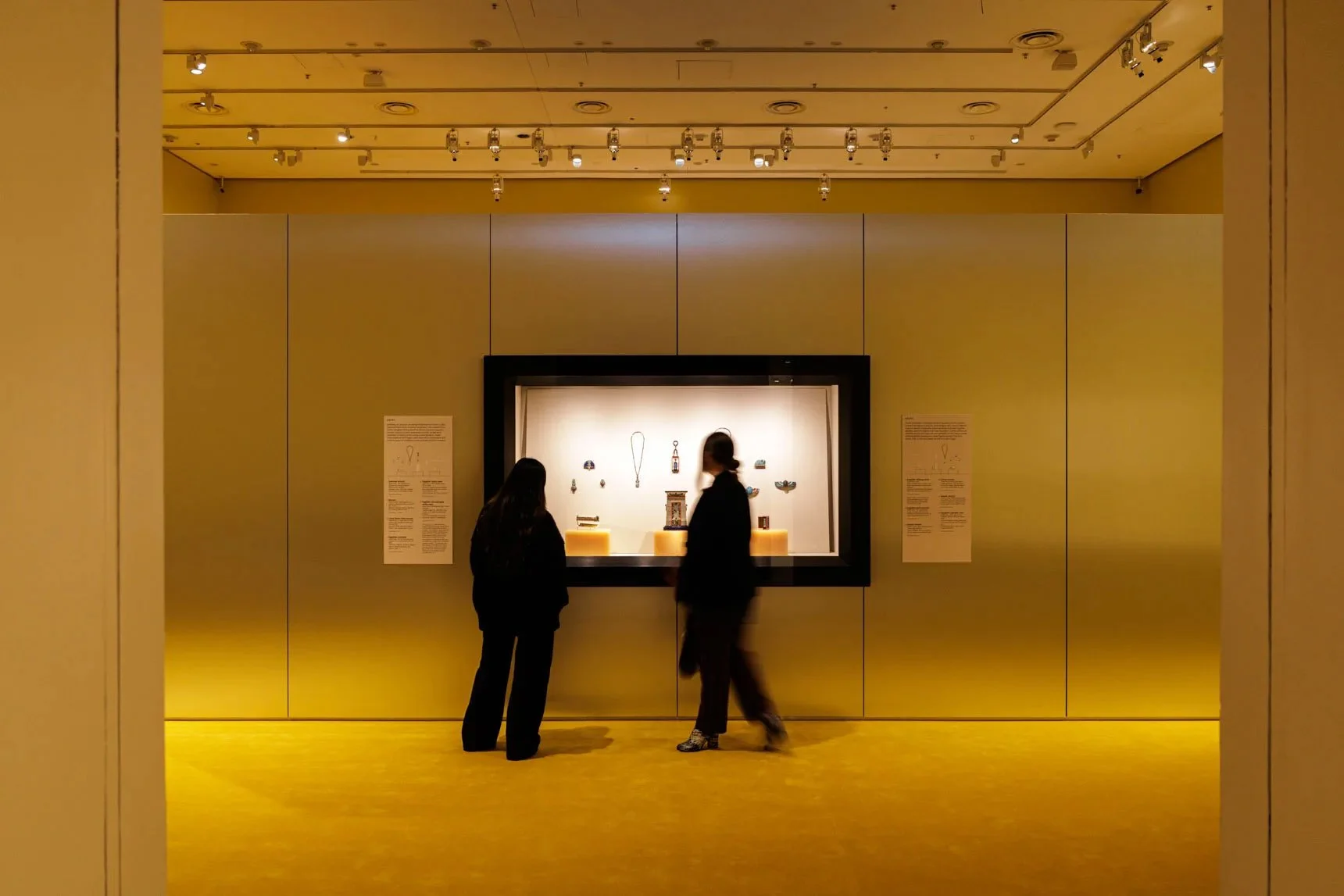
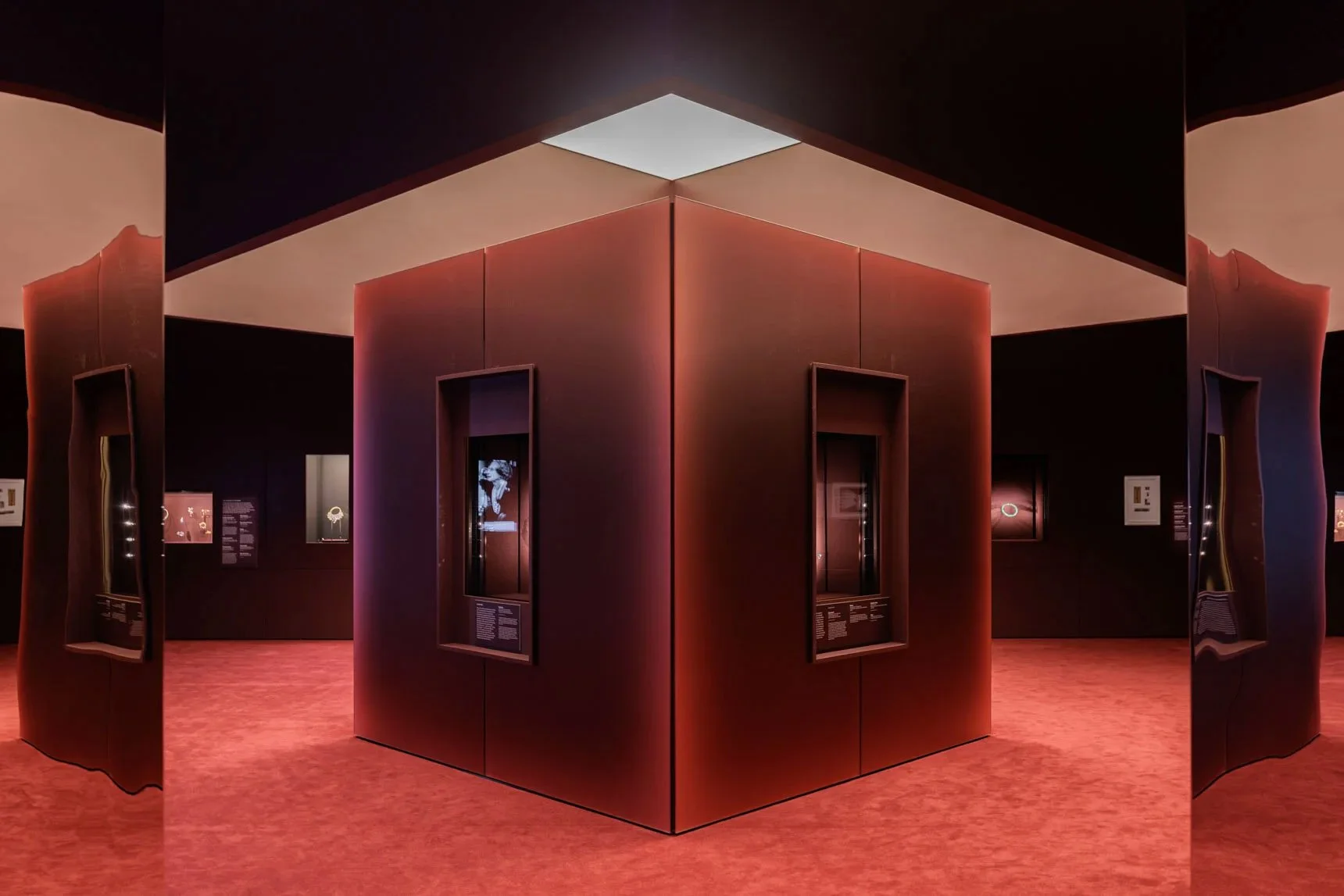
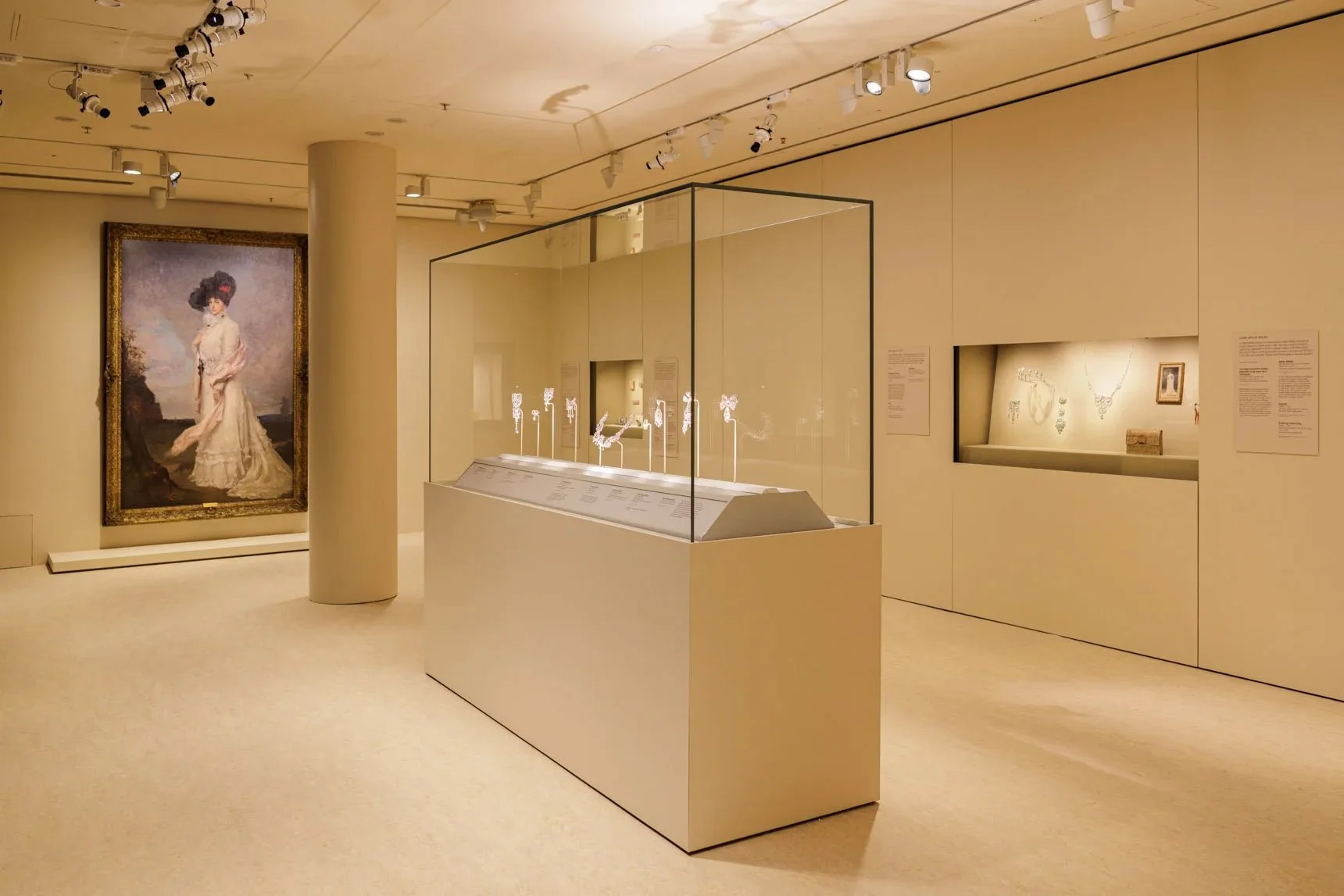
The opening of Cartier at the National Gallery of Victoria brought together an extraordinary collection of jewellery, design and archival material, tracing the evolution of one of the world's most enduring luxury houses. The preview offered an opportunity to experience the exhibition before its public opening, with champagne and hors d'oeuvres setting the scene for an evening centred on craftsmanship, heritage and design.
What made the NGV exhibition particularly compelling was the story behind the jewellery. Cartier's success was not built on exceptional product alone, but through a sophisticated understanding of design, clientele, culture and place. The exhibition reveals how these elements were developed together to create a brand that became synonymous with luxury across generations.
The story of Cartier's Fifth Avenue boutique is a particularly striking example. The address at 653 Fifth Avenue began as a Renaissance-style townhouse built in 1905. In 1917, Pierre Cartier acquired the property from Morton F. Plant in an extraordinary exchange involving a two-strand pearl necklace. The building became an important part of Cartier's New York presence, demonstrating the role that architecture, location and physical experience can play in the construction of a luxury brand.
Design was treated with the same breadth of thinking. Cartier's designers were encouraged to study books on decorative arts and architecture, drawing ideas from the wider world rather than looking only to jewellery. The exhibition's collection of hand-drawn catalogues, invitations and promotional material, including pieces created for the Cartier boutique at 13 rue de la Paix in Paris in the 1920s, offered an insight into how carefully the brand's visual language was considered long before the age of digital marketing.
The relationship between Cartier and its clientele was equally deliberate. The house cultivated relationships with an influential, taste-making clientele and commissioned pieces that reflected individual interests, culture and personality. It is a principle that remains highly relevant. The strongest brands understand that their customers are not simply purchasing a product. They are responding to a world, a point of view and a sense of identity.
The Cartier family story adds another dimension. Louis, Pierre and Jacques Cartier joined their father Alfred with an ambition to build a global jewellery house. By 1909, branches had been established in Paris, London and New York. The three brothers maintained close correspondence across the businesses, using handwritten letters to share information and align their thinking across continents. Their ability to operate as a united family while building an international business is a reminder that strong brands are often built on equally strong relationships behind the scenes.
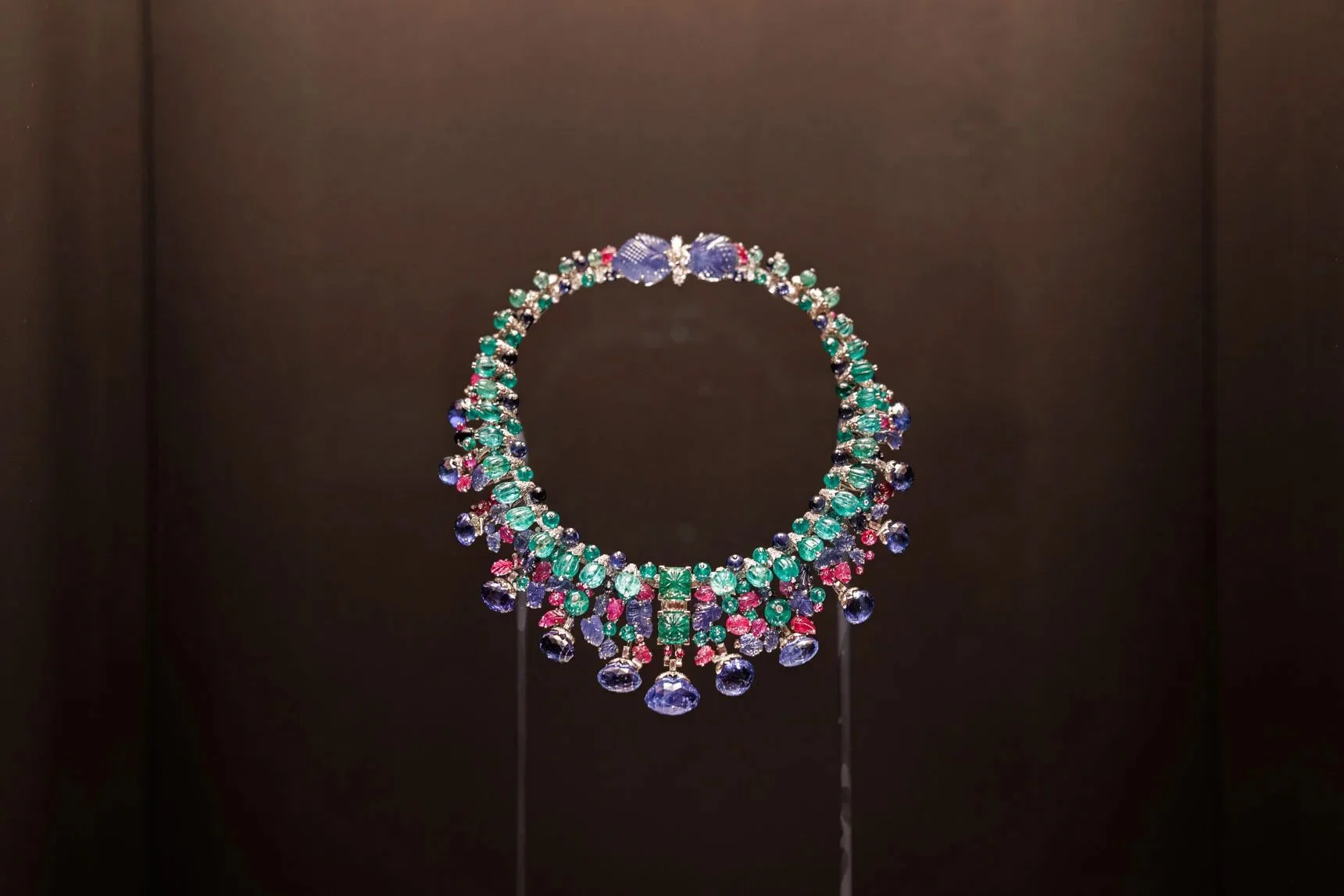
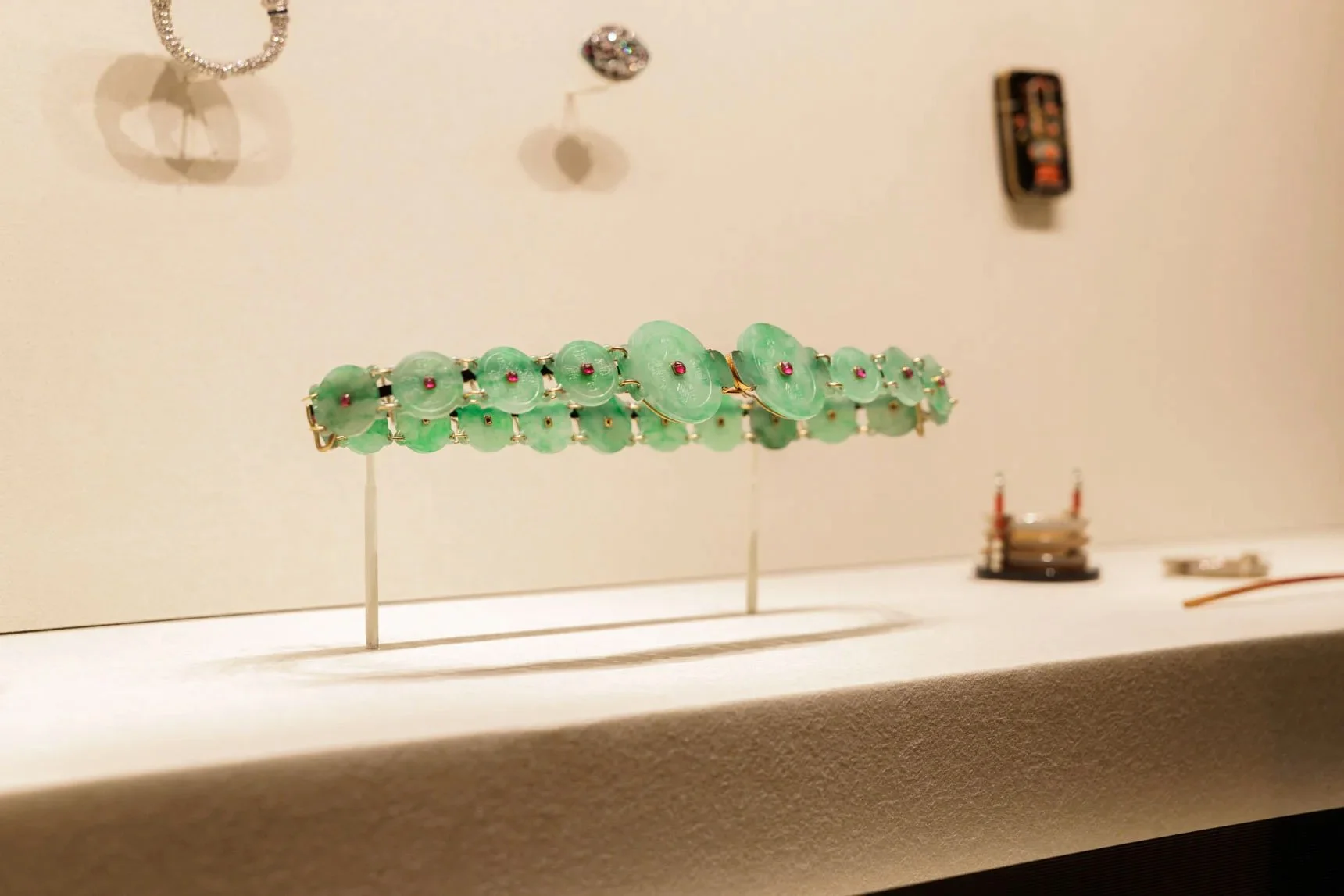
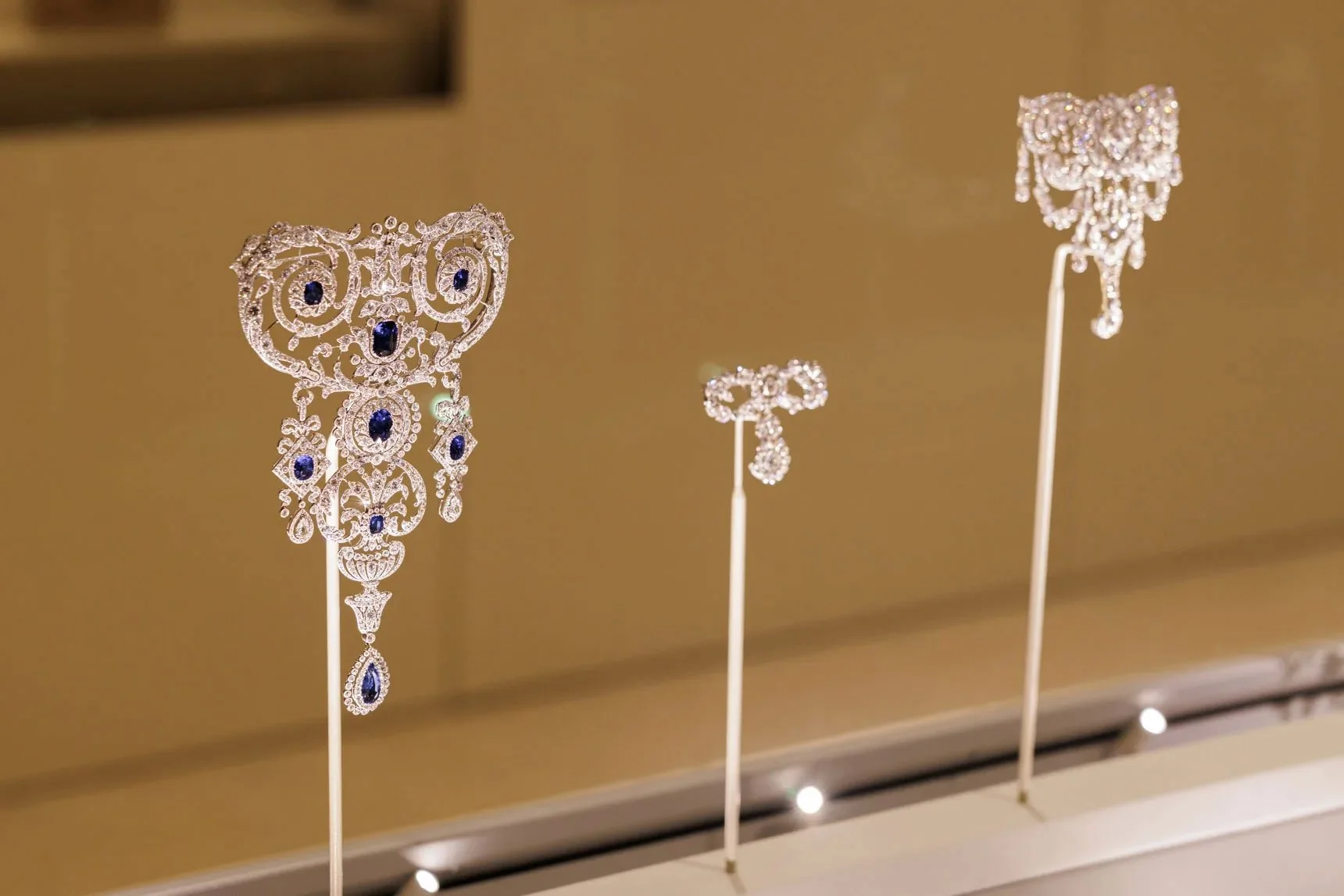
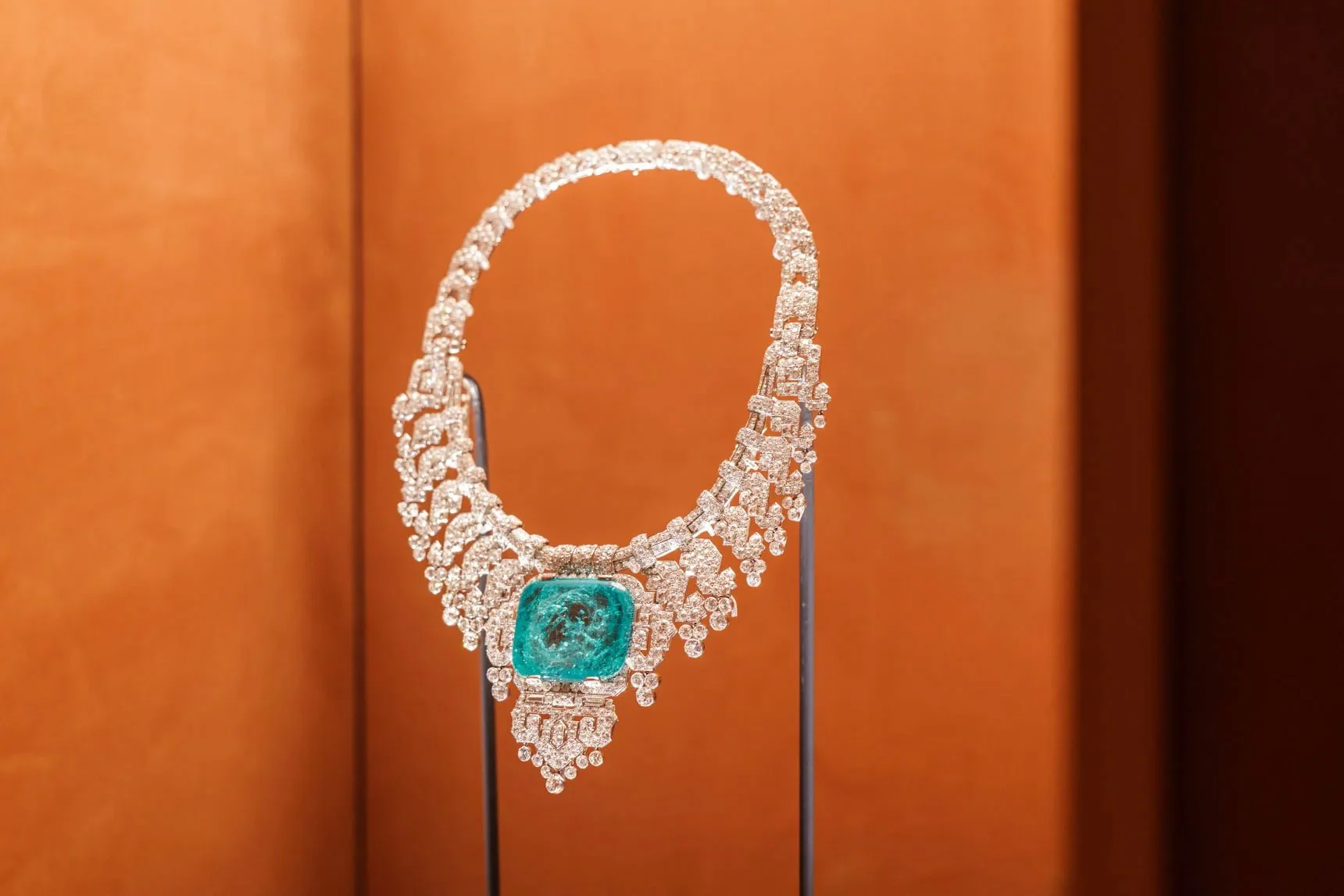
And then there were the jewels themselves. The tiaras were extraordinary, but seeing them alongside the sketches, correspondence, catalogues and other archival material made the exhibition about far more than jewellery. It revealed the fabric of a business and the thinking, relationships and cultural influences that shaped it.
There is a reason the world's longest-lasting luxury brands are so deeply rooted in heritage and story. These elements create meaning that extends well beyond the product itself. Cartier demonstrates that the principles of building a distinctive brand through design, relationships, cultural understanding and a clear sense of identity are not new. They are timeless.
Photography: NGV