Rone Empire
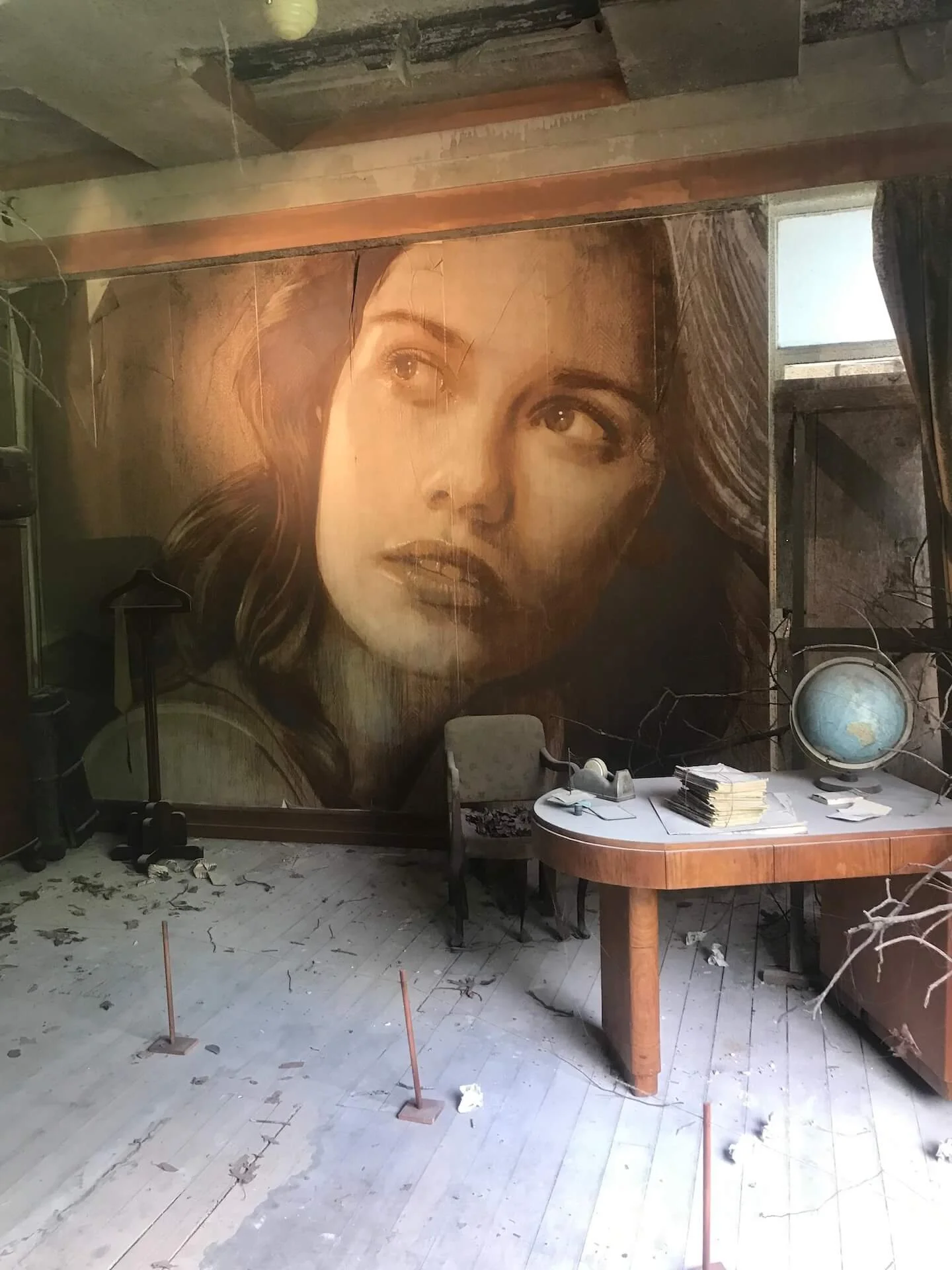
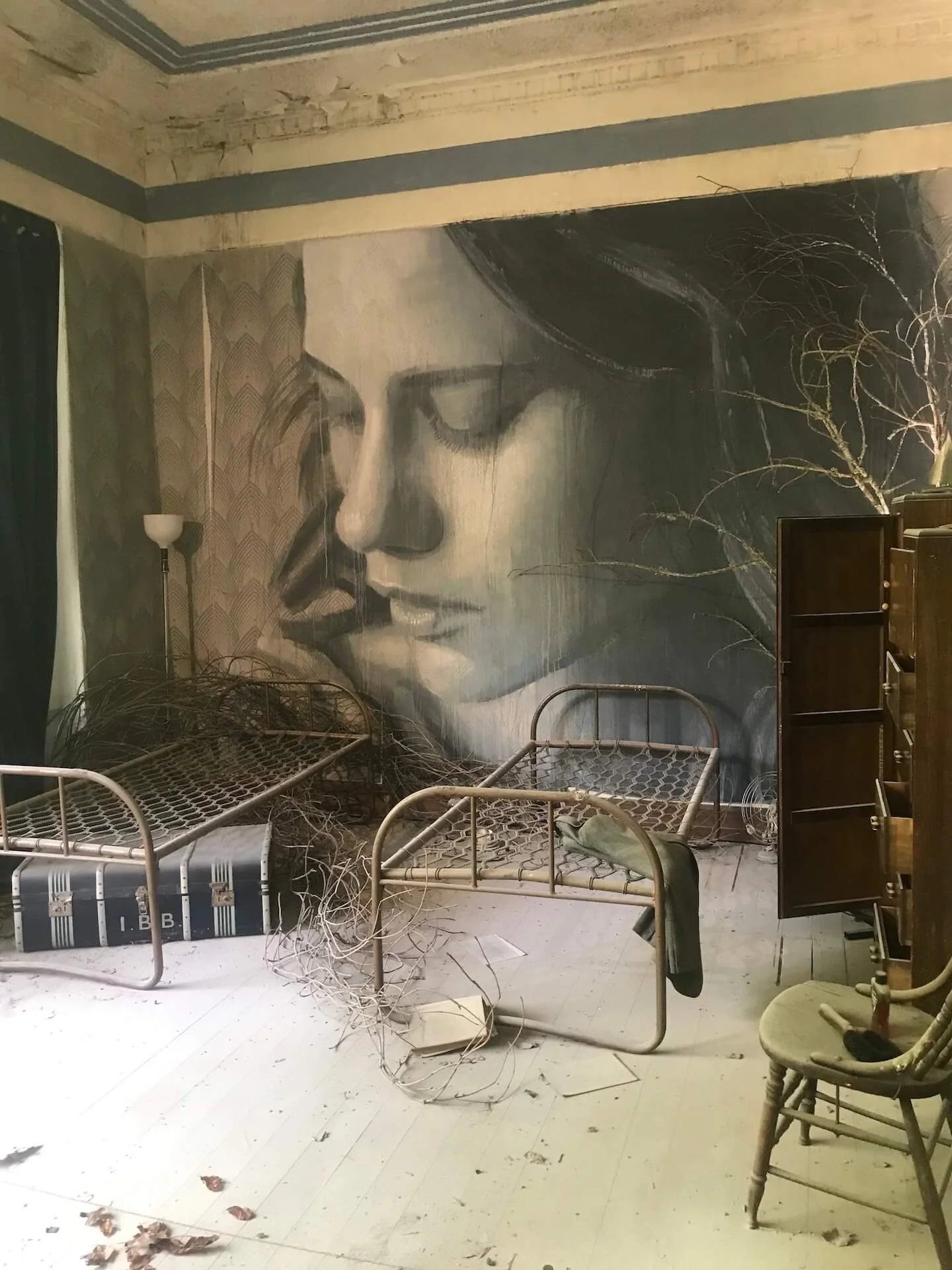
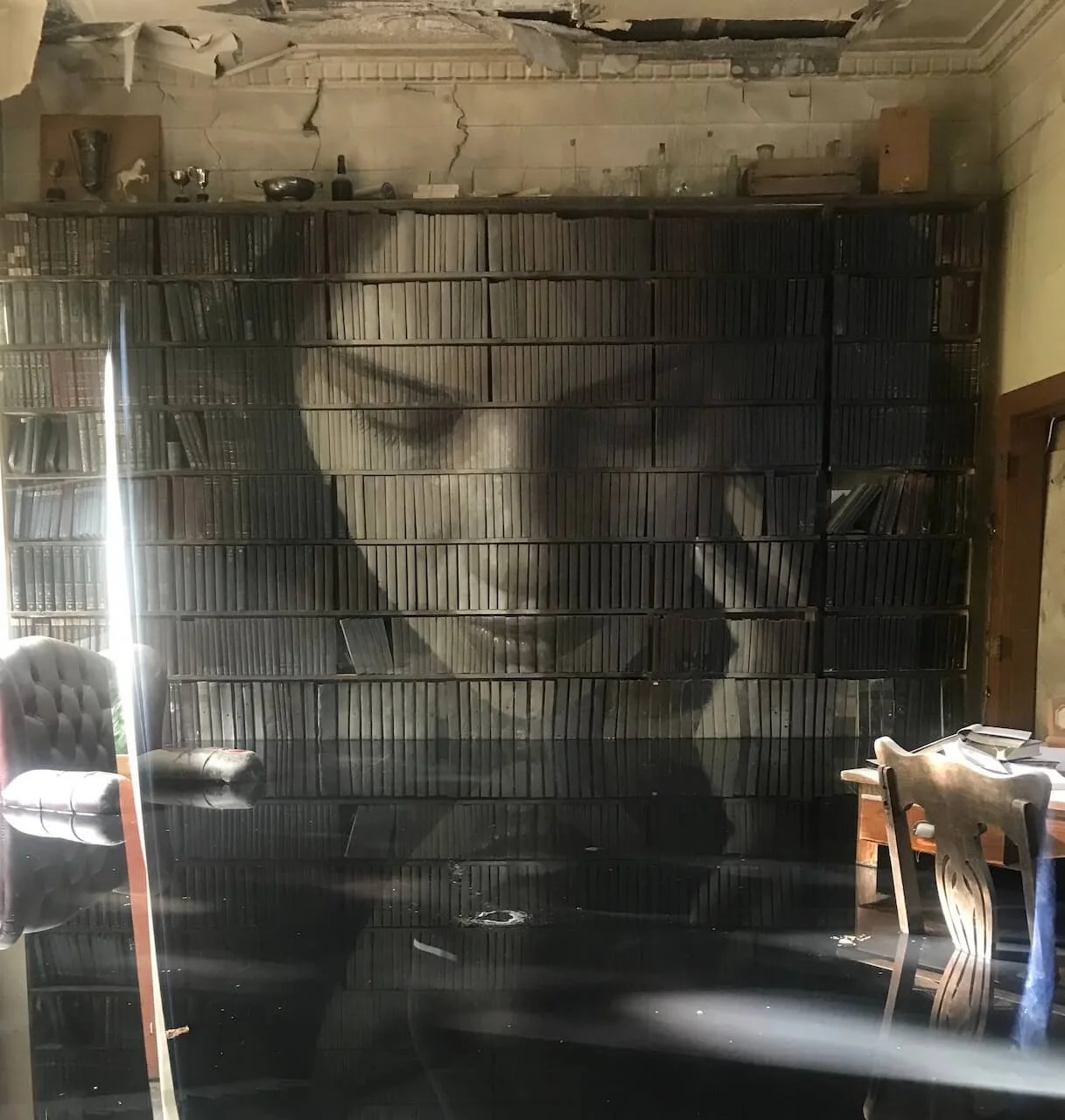
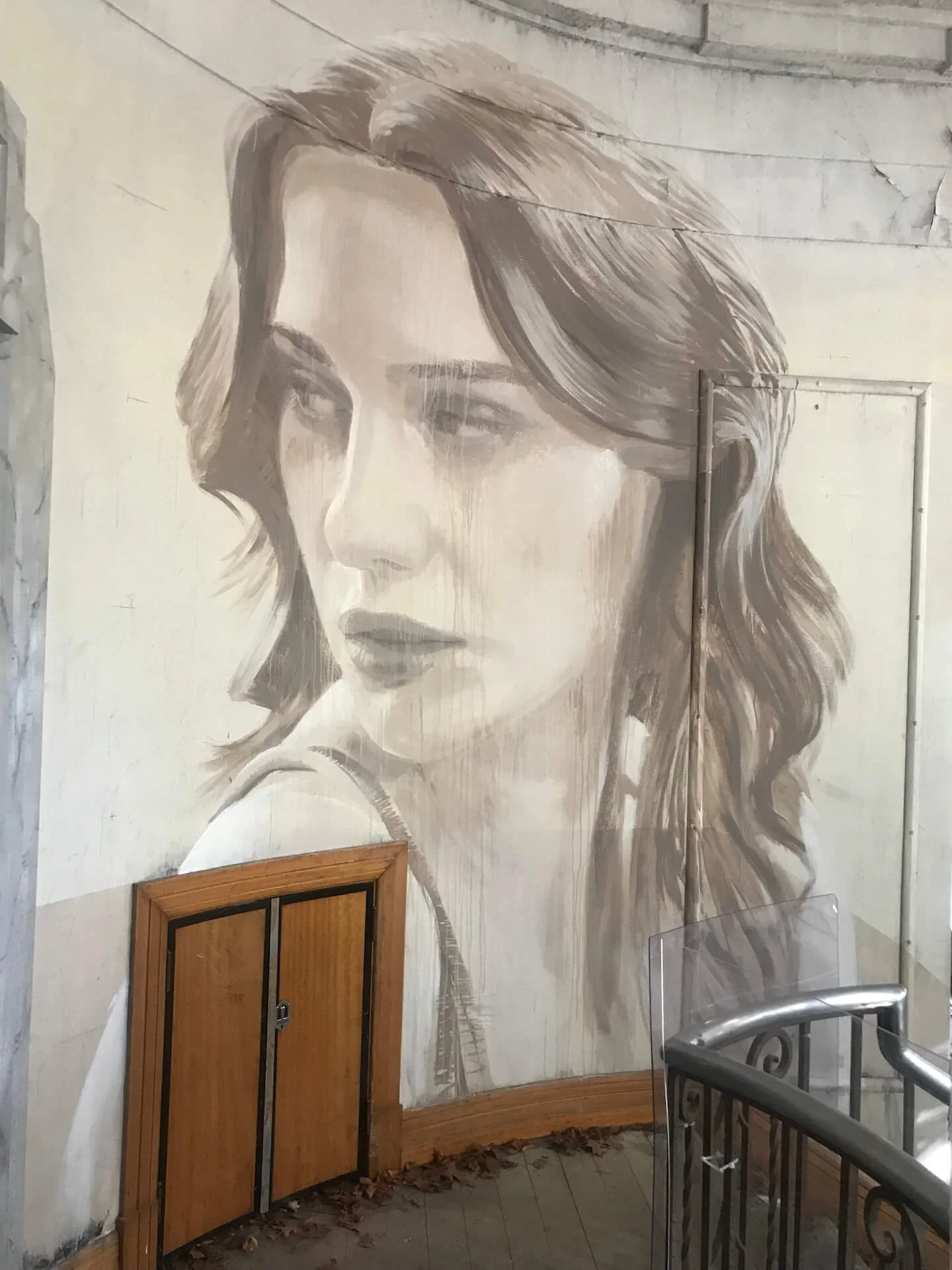
A visit to the Dandenong Ranges is reason enough to escape the city, but there was another draw waiting among its lush surrounds. Inside the abandoned Burnham Beeches mansion, Australian artist Rone transformed the historic property into Empire, an immersive activation where art, architecture, sound and design came together in an extraordinary setting.
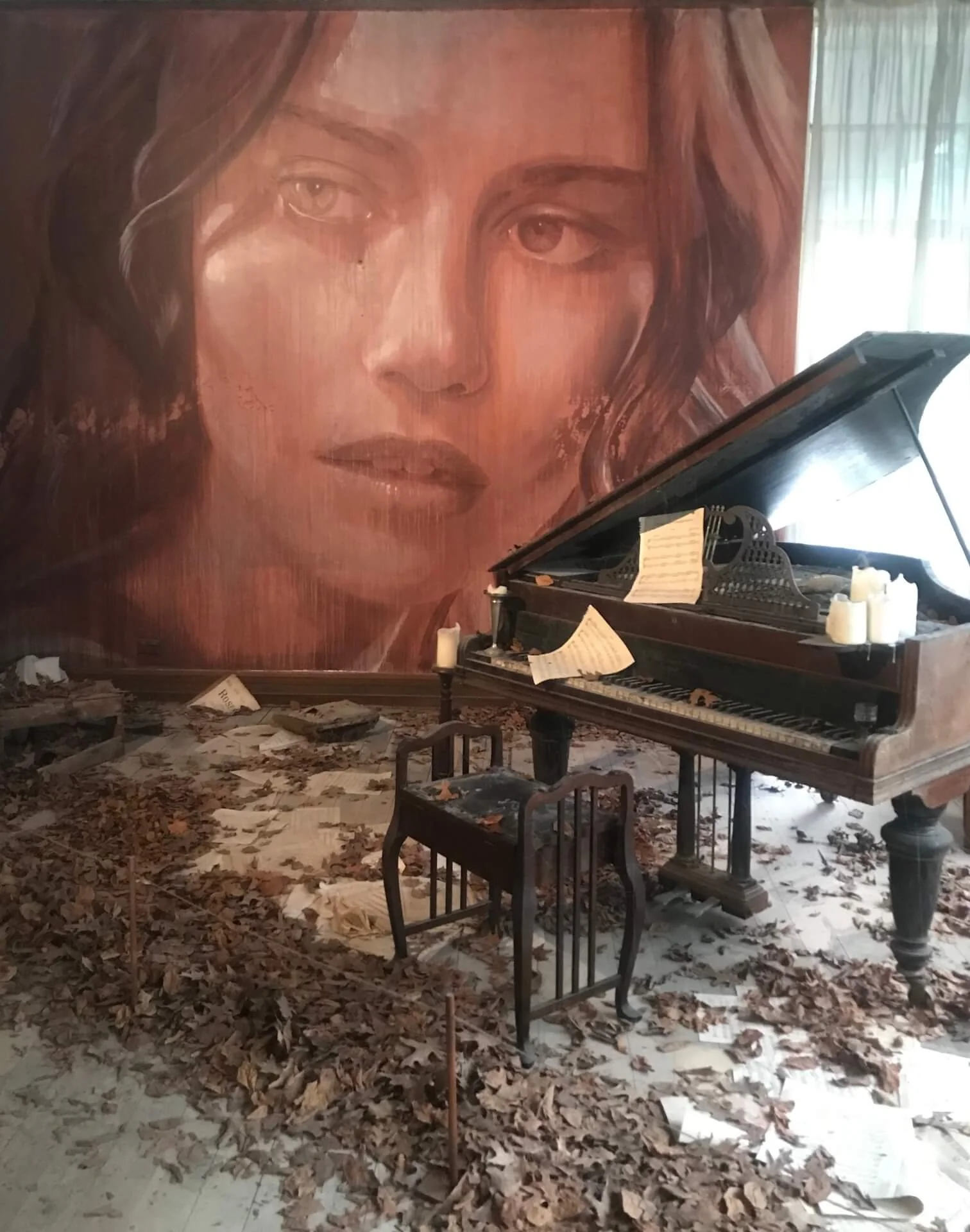
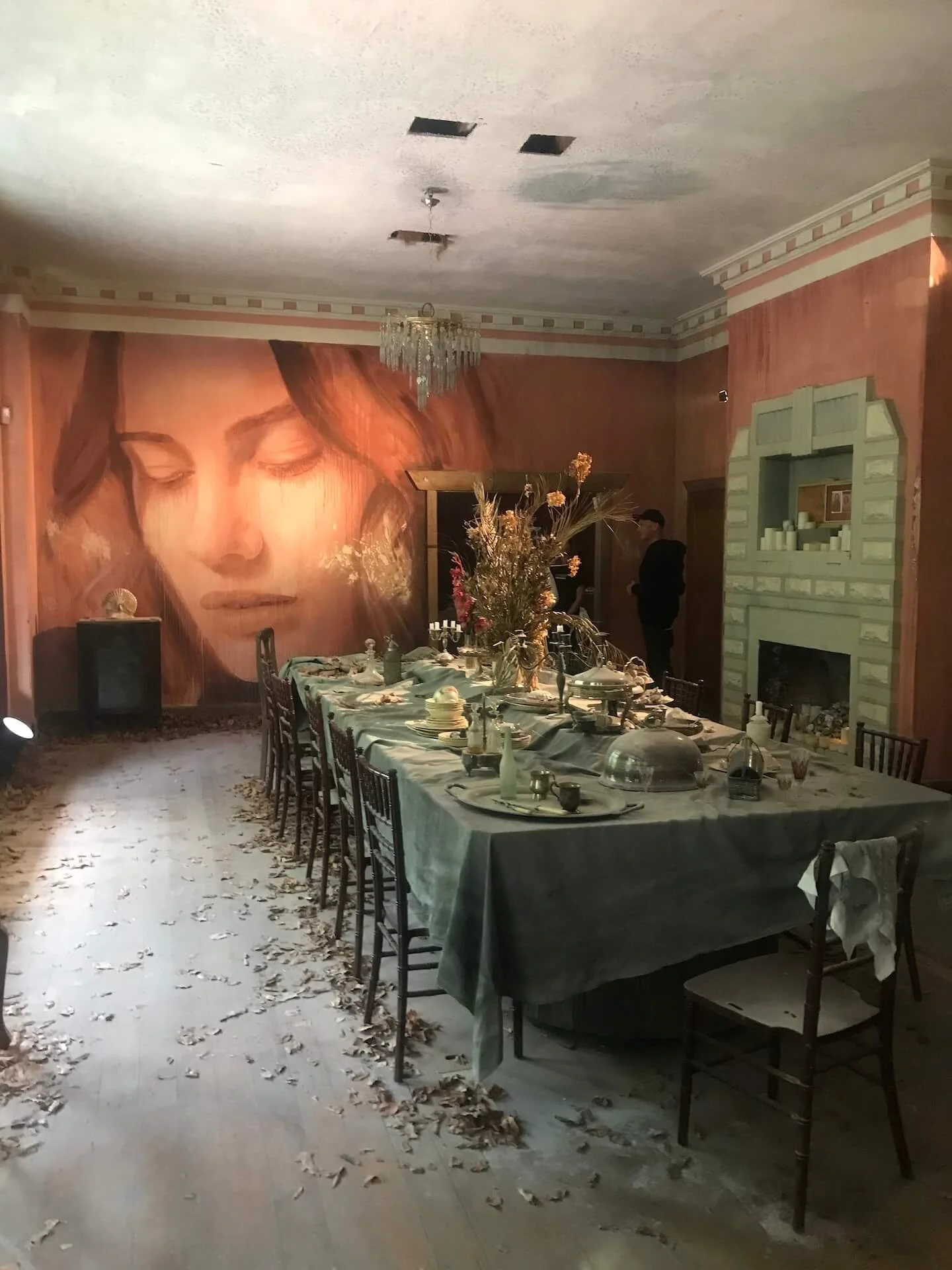
Built in 1933 for the Nicholas family, Burnham Beeches had stood vacant for decades when Rone began work on Empire. Rather than simply using the mansion as a backdrop for his work, he responded to its architecture and history, transforming room after room with his signature large-scale portraits, period interiors, sound, scent, lighting and botanical elements.
The result was haunting and beautifully theatrical. Dark corridors were illuminated by candlelight, while a cobweb-covered grand piano, faded furnishings and a champagne coupe tower appeared as though frozen in another era. The atmosphere shifted from room to room, with sound and scent adding another layer to an experience designed to engage far more than the eye.
Rone is best known for his large-scale portraits of women, often painted onto the walls of abandoned or forgotten buildings. But Empire demonstrated the breadth of his practice, bringing together art, architecture, interior design, sound and technology to create something that could be walked through rather than simply viewed.
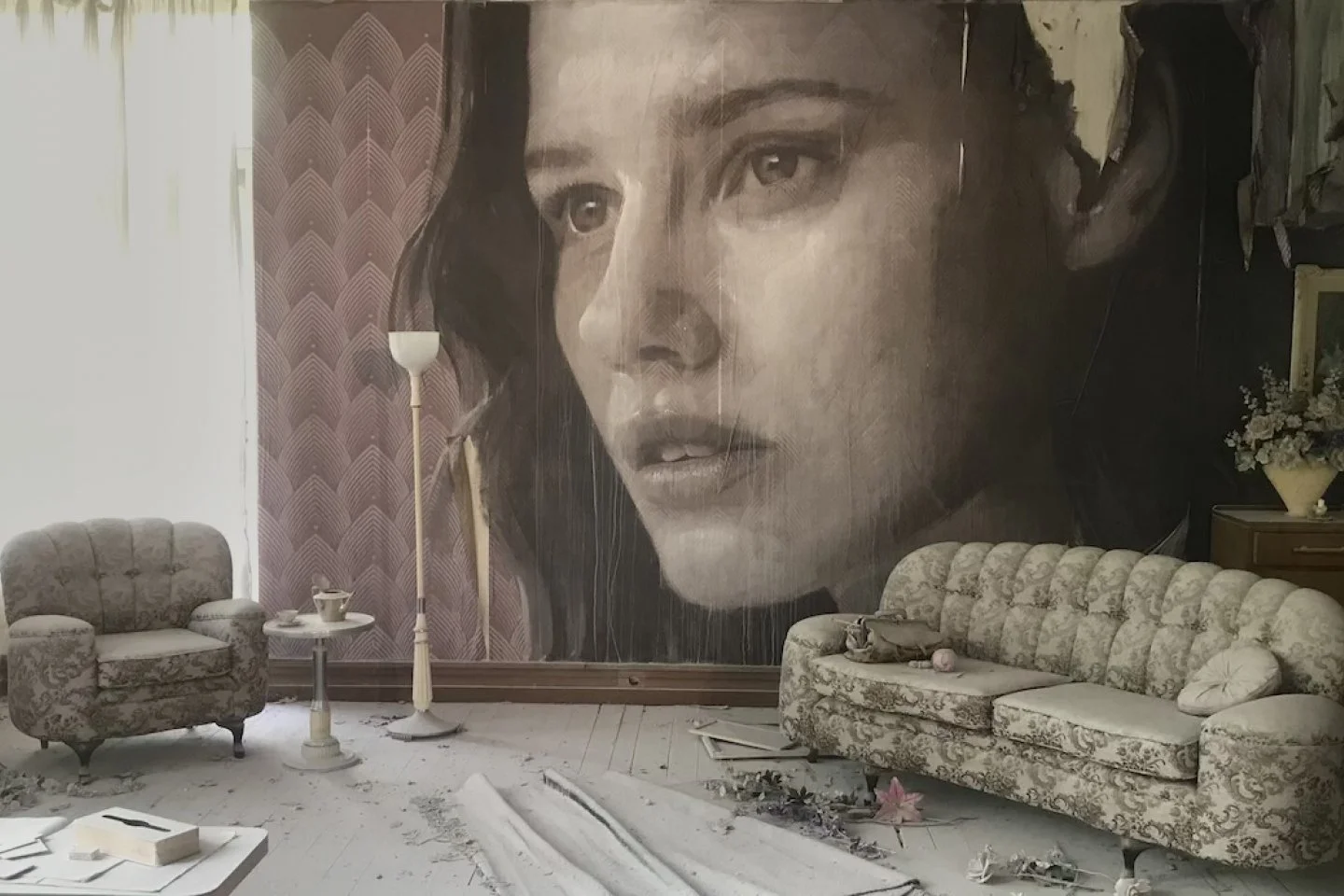
The project also sits within a body of work that has repeatedly explored the relationship between art and place. His Omega Project at YarraBend transformed the interior of an early-1900s weatherboard house into an immersive installation, an especially interesting connection given Glenvill’s vision for the development and its focus on creating a new way of living.
Rone’s site-specific work has continued to take over some of Melbourne’s most unexpected spaces, including the long-abandoned ballroom at Flinders Street Station, where Time explored a fictional mid-century Melbourne, and more recently at Chadstone The Fashion Capital, where Home transformed a retail tenancy into a fully realised Australian weatherboard house.
What made Empire particularly memorable was the way Rone allowed the building itself to become part of the artwork. The faded grandeur of Burnham Beeches was not concealed; its peeling surfaces, abandoned rooms and traces of former lives became integral to the experience.
The exhibition was temporary, but its relationship with the building gave it a sense of permanence. Empire was documented through 3D, VR and AR technology, allowing elements of the installation to live beyond its brief existence inside Burnham Beeches.
Today, Burnham Beeches remains a significant heritage property in the Dandenong Ranges and is the subject of a new restoration and redevelopment project, with Six Senses appointed to operate a planned resort. The mansion is intended to be restored as part of the wider development, giving the extraordinary building another chapter in its long history.